Traditional CMS vs. Headless CMS vs. Decoupled CMS: Which Is Best?

Zarnish Khan
Nov 30, 2023 · 4 min read
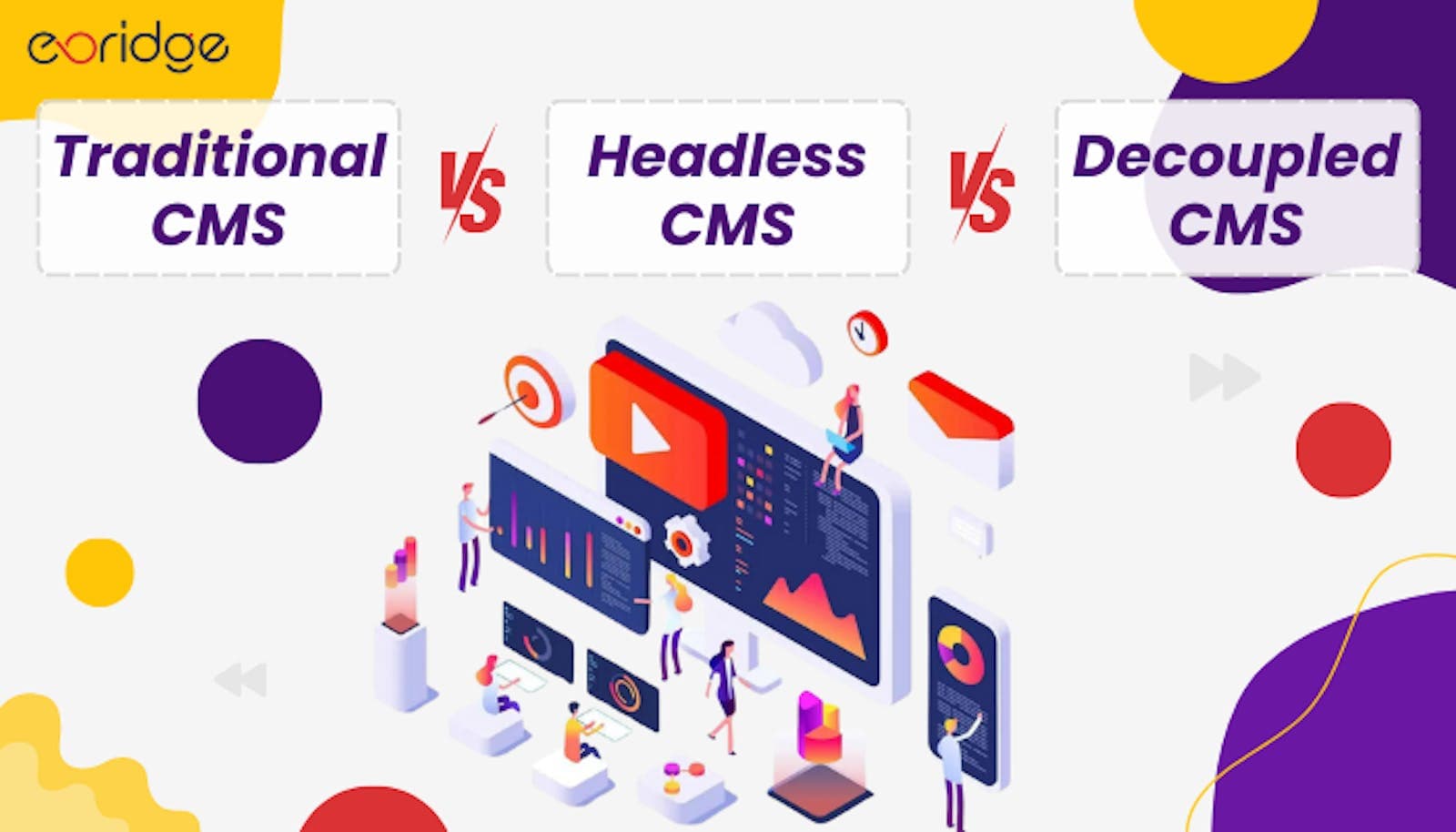
The choice of a Content Management System (CMS) is a critical decision for businesses aiming to establish a robust online presence. Traditional CMS, Headless CMS, and Decoupled CMS each offer distinct approaches to content management, presenting unique advantages and challenges.
In this exploration, we'll delve into the characteristics of each CMS type to help you make an informed decision on which is best suited for your needs.
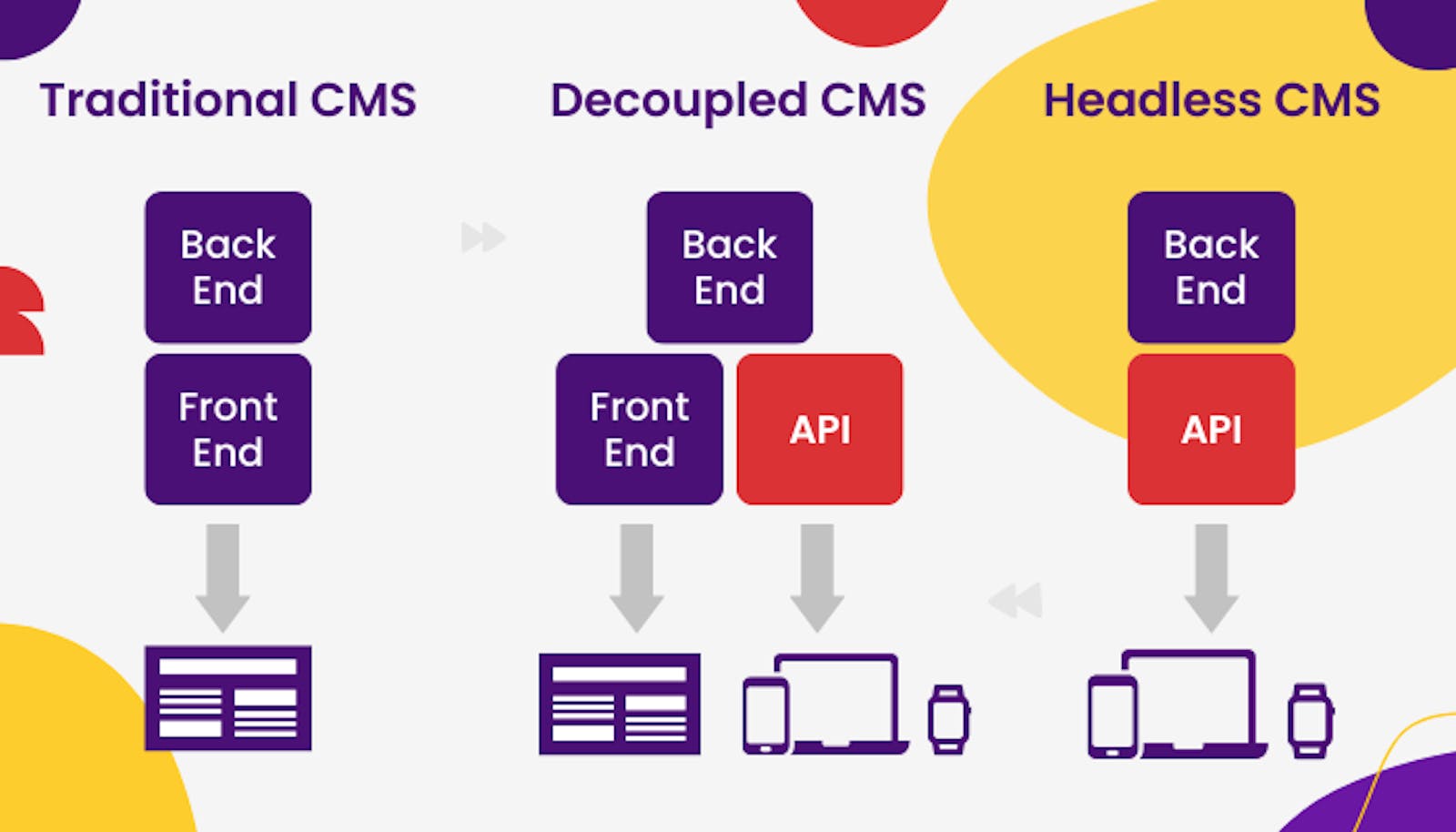
Traditional CMS vs. Headless CMS vs. Decoupled CMS: A Quick Comparison
Traditional CMS: The All-in-One Solution
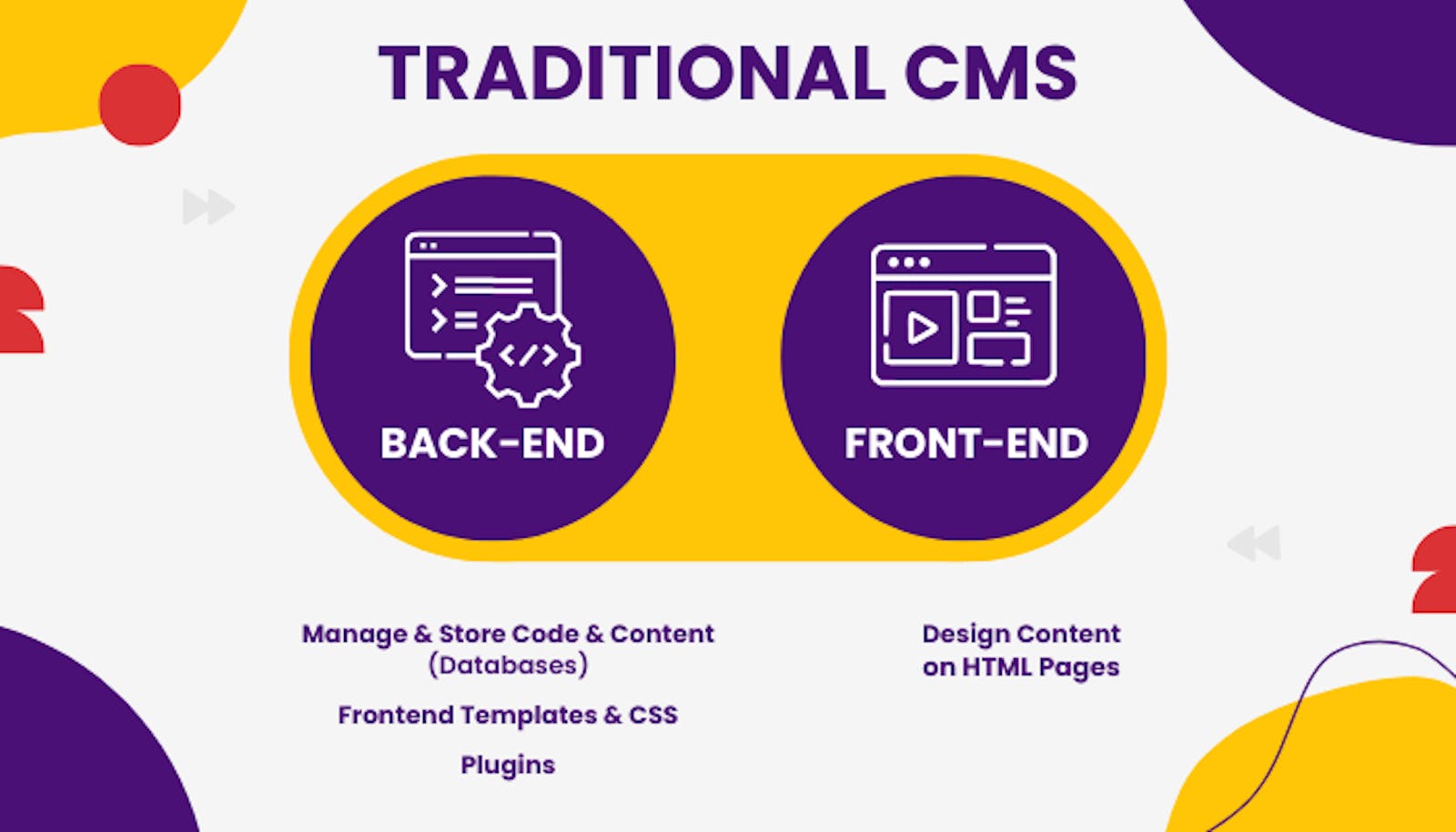
Traditional CMS platforms, exemplified by WordPress, Drupal, and Joomla, follow an integrated model where the content management and presentation layers are tightly coupled. This means that the backend, where content is managed, and the frontend, where content is displayed, are interconnected.
Read also: 5 Headless CMS to Power Your Content in 2024
Pros
- User-Friendly: Traditional CMS platforms are often praised for their user-friendly interfaces, making content creation and management accessible to users with varying technical expertise.
- Robust Ecosystem: Extensive plugins, themes, and community support characterize traditional CMS, providing a wide range of functionalities and customization options.
Cons
- Limited Flexibility: The integrated structure can limit flexibility, making it challenging to adapt to emerging technologies or diverse frontend frameworks.
- Scalability Concerns: Scaling a traditional CMS might encounter challenges as the integrated nature may lead to performance issues with increased content and user traffic.
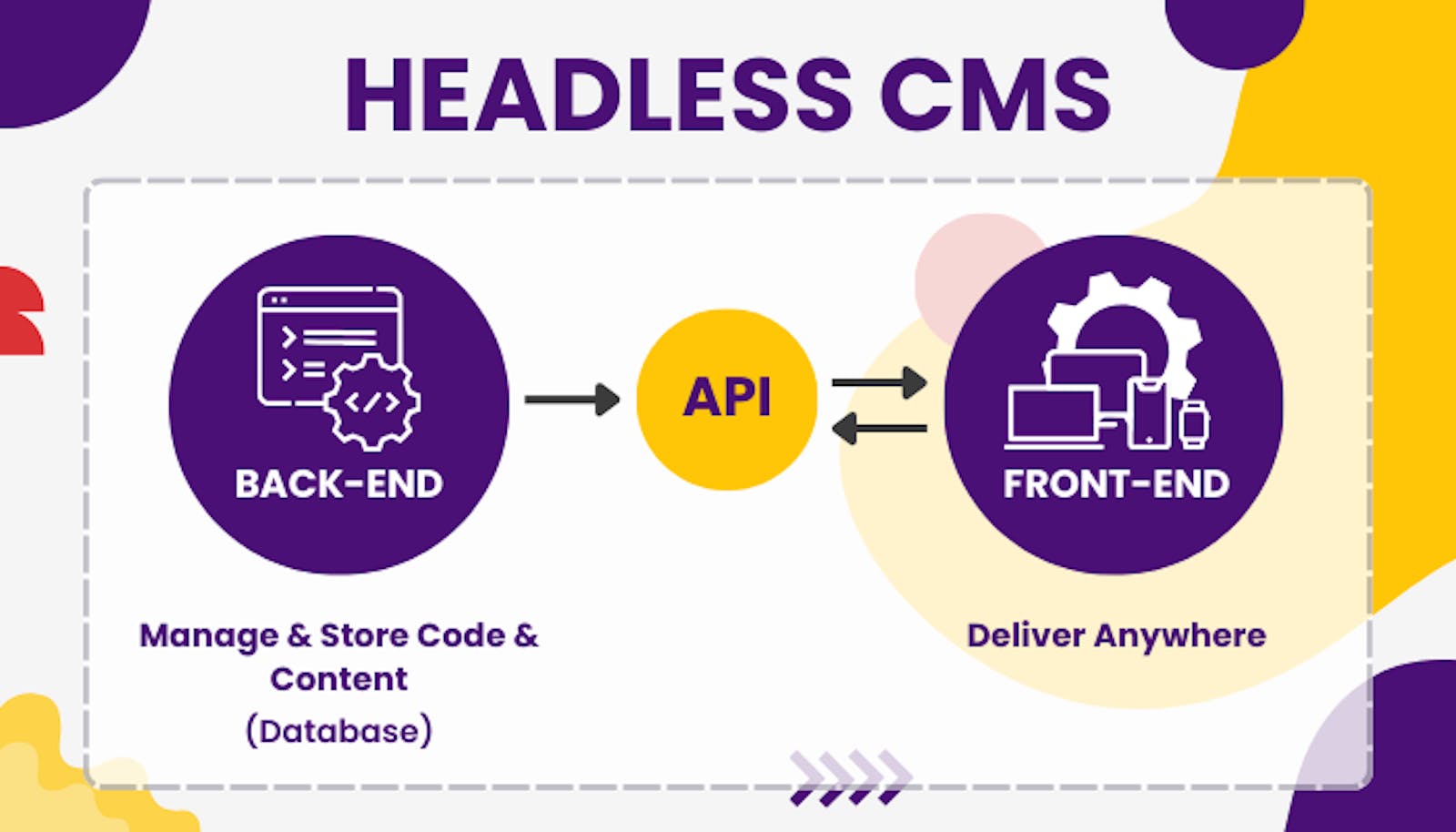
Headless CMS: Decoupling Content and Presentation
Headless CMS, such as Contentful, Strapi, and Kentico Kontent, take a different approach by decoupling the content management backend from the presentation layer. In this model, content is created and stored separately from the front-end, allowing for greater flexibility and adaptability.
Pros
- Flexibility and Adaptability: Headless CMS allows developers to use any frontend framework, enabling seamless integration with various platforms like websites, mobile apps, and IoT devices.
- Improved Performance: By eliminating the reliance on a monolithic structure, headless CMS often offers better performance, especially when dealing with dynamic and interactive content.
Read more: What Is Headless CMS—Why Is It So Popular?
Cons
- Complexity for Non-Developers: The separation of content and presentation can be challenging for non-technical users, requiring a certain level of technical expertise for effective implementation.
- Development Overhead: Building a custom frontend requires additional development effort compared to the out-of-the-box solutions provided by traditional CMS.
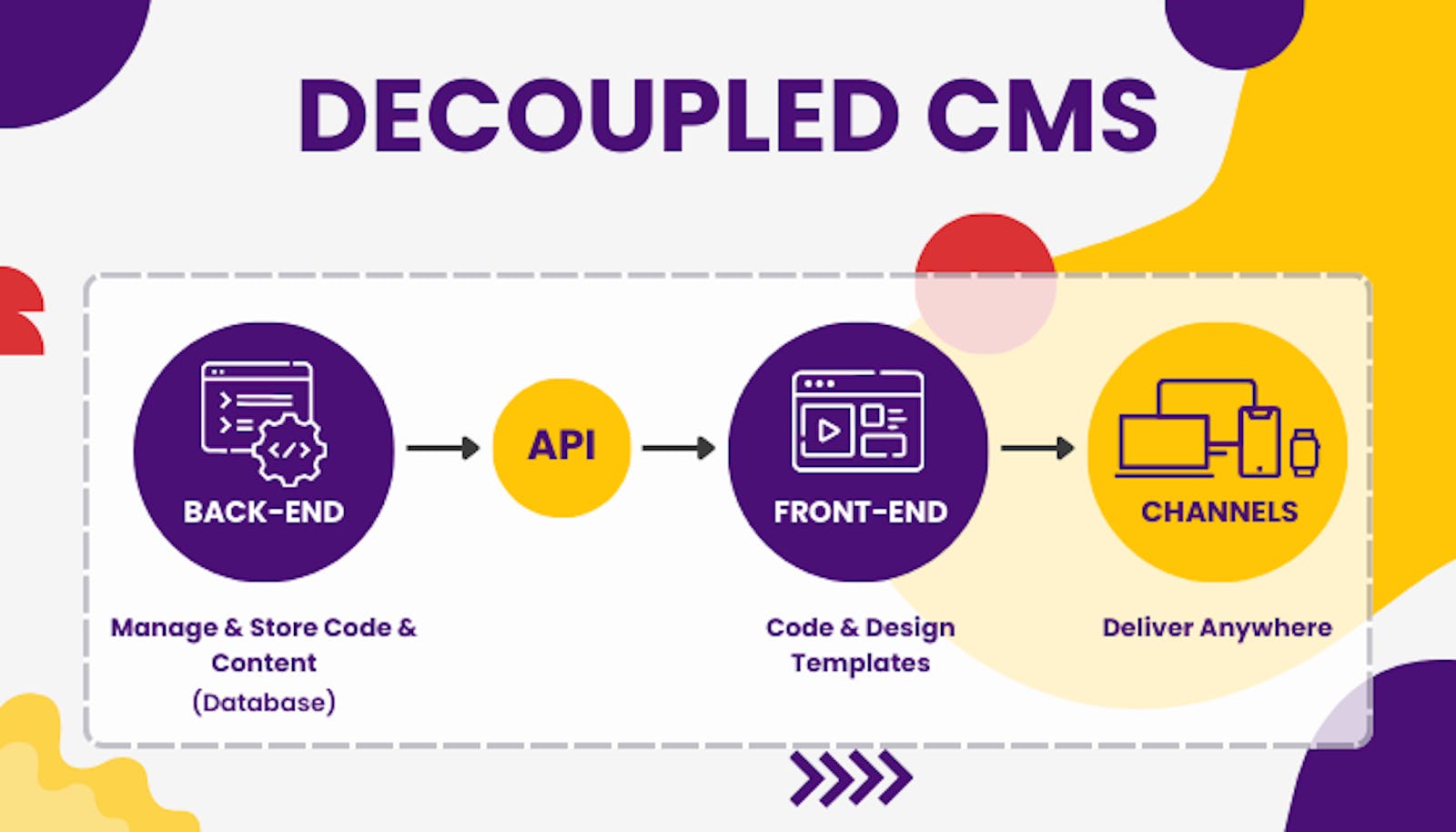
Decoupled CMS: Striking a Balance
Decoupled CMS, sometimes referred to as Hybrid CMS, aims to strike a balance between the integrated approach of traditional CMS and the separation of content and presentation in headless CMS. In this model, the backend and frontend are decoupled but can still communicate when needed.
Pros
- Balance of Flexibility and Usability: Decoupled CMS combines the flexibility of headless CMS with a more user-friendly backend, making it accessible to both developers and non-developers.
- Scalability: Decoupled CMS offers scalability benefits by allowing the frontend and backend to be independently scaled based on specific needs.
Cons
- Development Complexity: While less complex than a fully headless approach, decoupled CMS may still involve more development effort compared to traditional CMS.
- Dependency on Platform Quality: The effectiveness of a decoupled CMS relies on the quality and compatibility of the chosen platform, impacting performance and scalability.
Read also: Why Should We Use Next.js with Headless CMS In Web Development?
The Bottom Line
Choosing the right CMS is a strategic decision that hinges on your specific business requirements and future goals. Traditional CMS provides simplicity and a robust ecosystem, headless CMS offers unparalleled flexibility, and decoupled CMS seeks to strike a balance between the two.
Understanding the strengths and weaknesses of each approach is crucial in determining which CMS aligns best with your organization's vision and technical capabilities. As the digital landscape continues to evolve, the choice between
Traditional CMS, Headless CMS, and Decoupled CMS will play a pivotal role in shaping your online presence and adapting to the ever-changing demands of the digital world.
Whether you're looking for a user-friendly Traditional CMS, a flexible Headless CMS, or a balanced Decoupled CMS solution, our skilled developers are here to tailor a solution that aligns seamlessly with your business needs.
Contact us today to embark on a journey of robust content management, empowering your brand for success in the dynamic digital landscape. Elevate your online experience with our CMS development expertise.