5 Headless CMS to Power Your Content in 2024

Zarnish Khan
Nov 24, 2023 · 4 min read
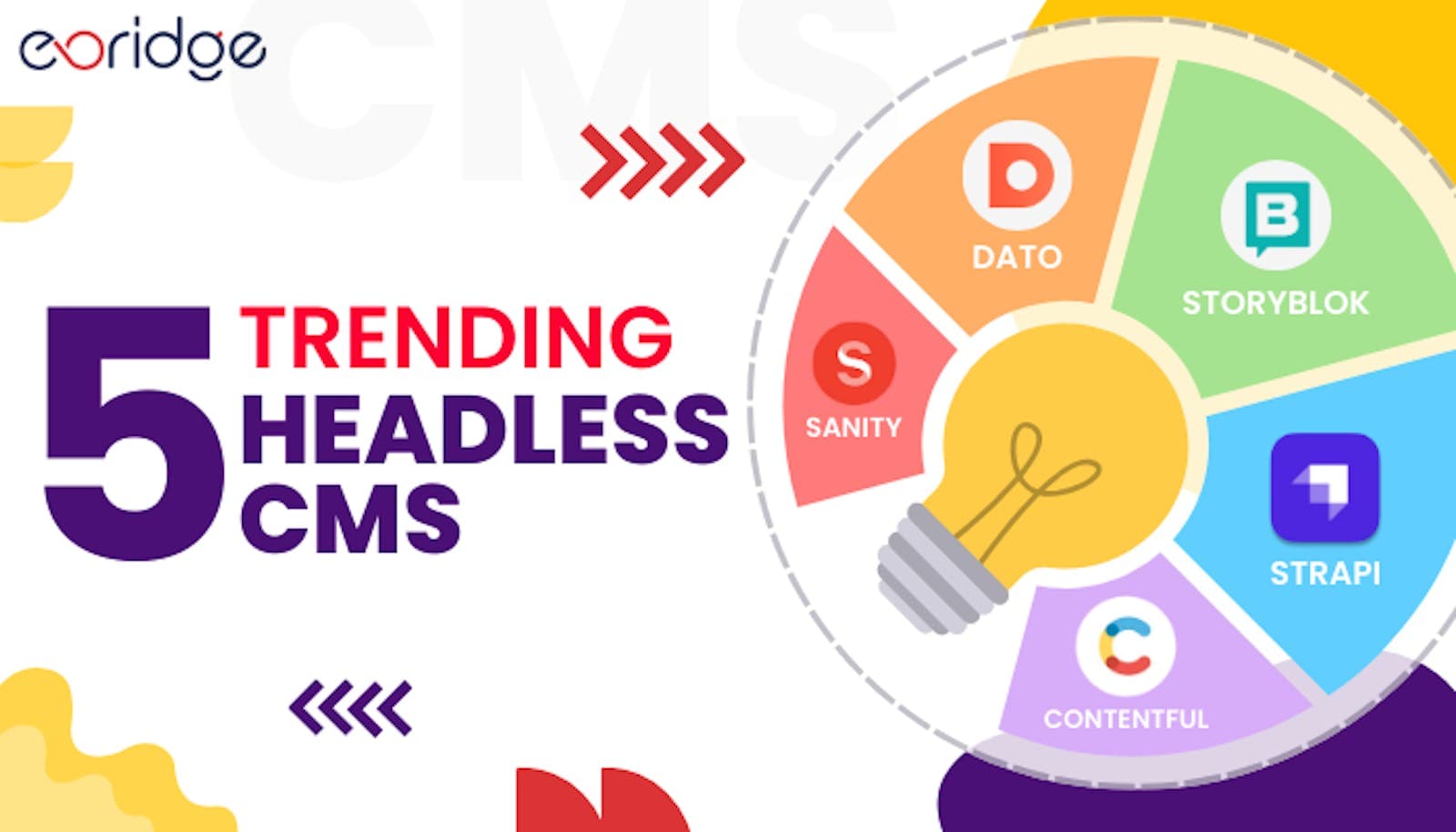
As we stride into 2024, the domain of Content Management Systems (CMS) is witnessing a significant transformation, with Headless CMS leading the charge.
Decoupling the front end from the back end, Headless CMS empowers developers and content creators alike to deliver seamless digital experiences. In this detailed blog, we'll explore five Headless CMS platforms that are set to redefine content management in 2024.
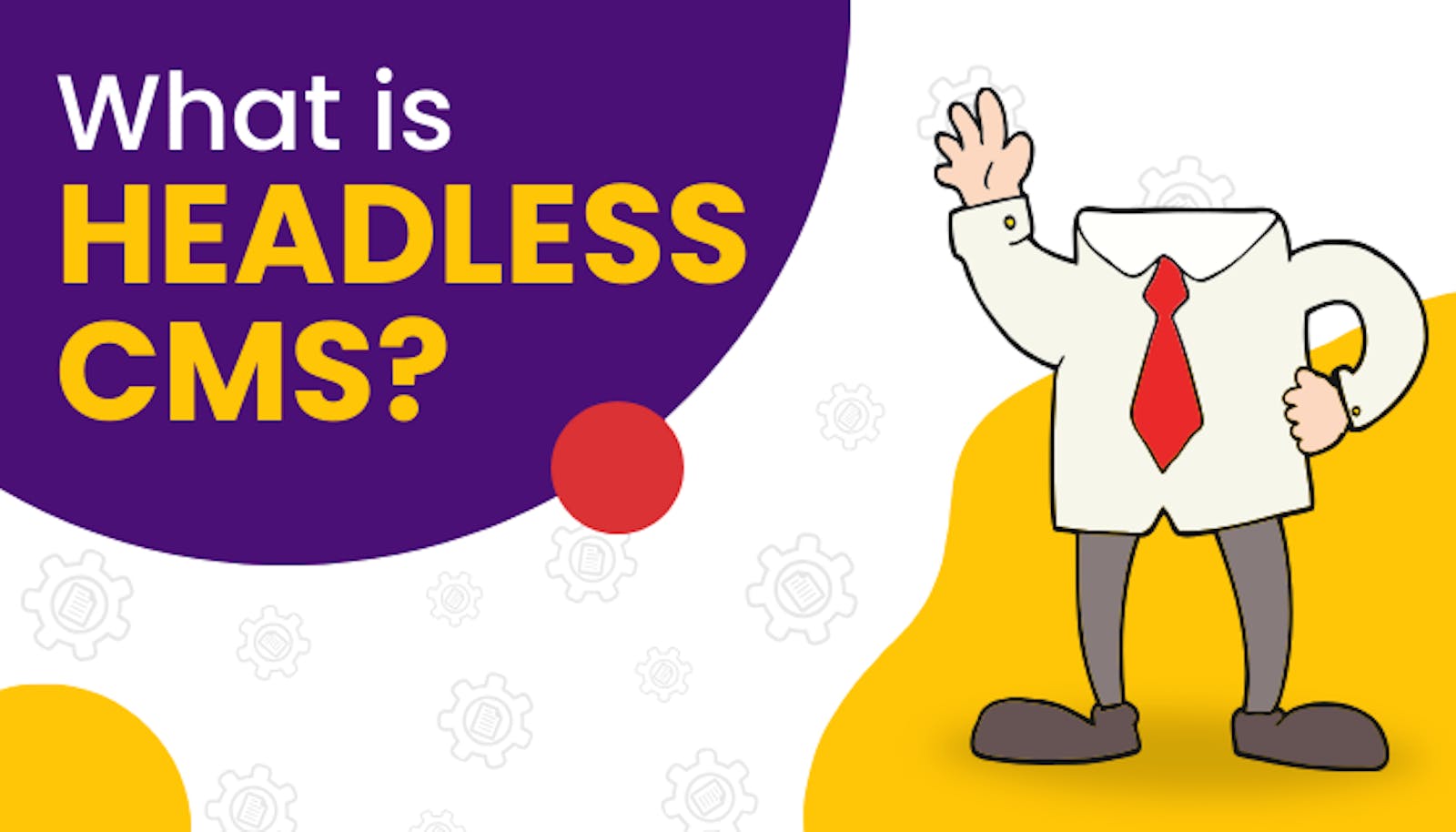
First Things First, What Is Headless CMS?
A Headless CMS is a content management system that separates the backend content repository from the frontend presentation layer. Unlike traditional CMS, it provides content as data via APIs, allowing developers to use any technology for displaying content.
This decoupling of the backend and frontend enhances flexibility, and scalability, and facilitates seamless content delivery across various platforms and devices, empowering dynamic and personalized digital experiences.
Read more: What Is Headless CMS—Why Is It So Popular?
Top 5 Headless CMS To Use In 2024
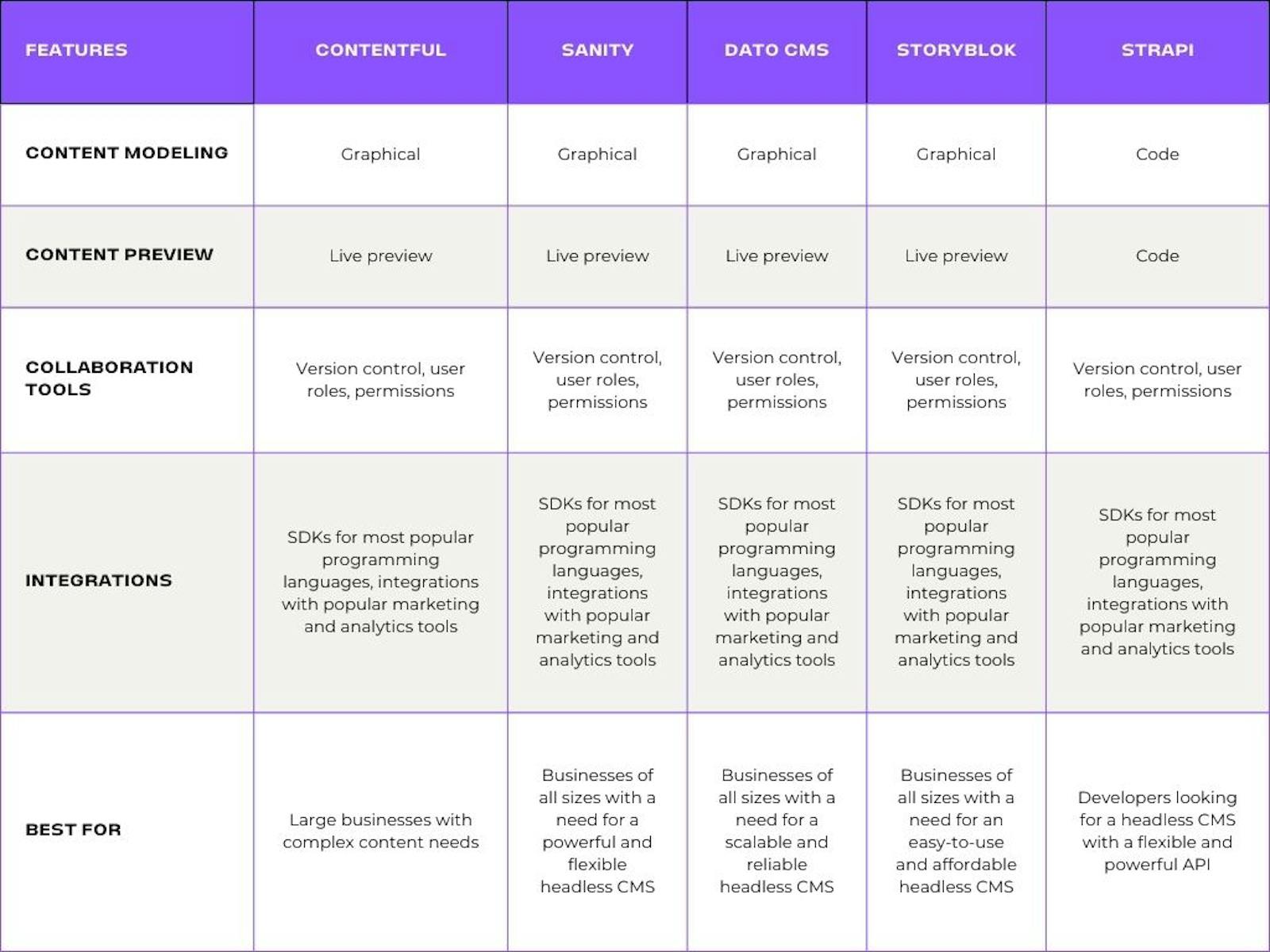
Here’s a quick rundown of a comparison of 5 top headless CMS:
1 - Contentful: Unleashing Content Agility
Contentful stands tall as a pioneer in the world of Headless CMS. Known for its flexibility and scalability, Contentful enables teams to manage content across multiple channels effortlessly. With a robust API-first approach, it seamlessly integrates with various technologies, making it a top choice for enterprises seeking agility in content delivery.
Key Features of Contentful:
- Powerful APIs for seamless integration
- Extensive content modeling capabilities
- Real-time collaboration for teams
- Scalability to meet enterprise-level demands
2 - Sanity.io: The Visionary's Choice
Sanity.io has been making waves with its real-time collaborative approach to content management. Offering a structured content model and a customizable editing interface, Sanity.io caters to developers and content creators alike. Its flexibility and ability to accommodate complex data structures make it an excellent choice for forward-thinking teams.
Key Features of Sanity.io:
- Real-time collaborative editing
- Structured content with customizable schemas
- Developer-friendly with JavaScript and React support
- Versatile image handling capabilities
3 - DatoCMS: The GraphQL Powerhouse
For those who swear by the efficiency of GraphQL, DatoCMS emerges as a compelling choice. DatoCMS combines a user-friendly interface with the power of GraphQL, allowing developers to query exactly the data they need. This Headless CMS is particularly attractive for projects where performance and speed are non-negotiable.
Key Features of DatoCMS:
- GraphQL API for precise data retrieval
- Visual editor for non-technical users
- Multi-language support for global projects
- Seamless integration with static site generators
Read also: Should I Use Headless CMS? Used Cases, Pros and Cons
4 - Storyblok: Bridging the Gap Between Design and Content
Storyblok focuses on simplifying the collaboration between designers and content creators. Its visual editor allows for easy content creation and management, while the robust API ensures seamless integration with a variety of front-end technologies. This Headless CMS is an excellent choice for teams that prioritize design flexibility and efficiency.
Key Features of Storyblok:
- Visual editor for intuitive content creation
- Customizable content types and components
- Versioning for easy content history tracking
- Integration with popular frameworks like Vue.js and React
5 - Strapi: Open Source Empowerment
Strapi takes pride in being an open-source Headless CMS, offering developers the freedom to build and deploy content-rich applications. With a user-friendly admin panel and a large community, Strapi empowers developers to create, manage, and distribute content effortlessly.
Key Features of Strapi:
- Open-source and customizable
- User-friendly admin panel
- RESTful or GraphQL API options
- Role-based access control for secure content management
Read also: Why Should We Use Next.js with Headless CMS In Web Development?
So, What’s The Final Verdict?
As we venture into 2024, the Headless CMS landscape continues to evolve, offering innovative solutions to meet the diverse needs of digital projects. Whether it's Contentful's versatility, Sanity.io's real-time collaboration, DatoCMS's GraphQL prowess, Storyblok's design-centric approach, or Strapi's open-source flexibility, each platform brings something unique to the table.
The choice ultimately depends on your project requirements, team dynamics, and the vision you have for delivering dynamic and engaging digital experiences. Embrace the future of content management with these five Headless CMS options, and pave the way for a more agile and efficient content strategy in 2024.
"Ready to elevate your content strategy with a headless CMS? Click here to get started on transforming your digital experience today!"