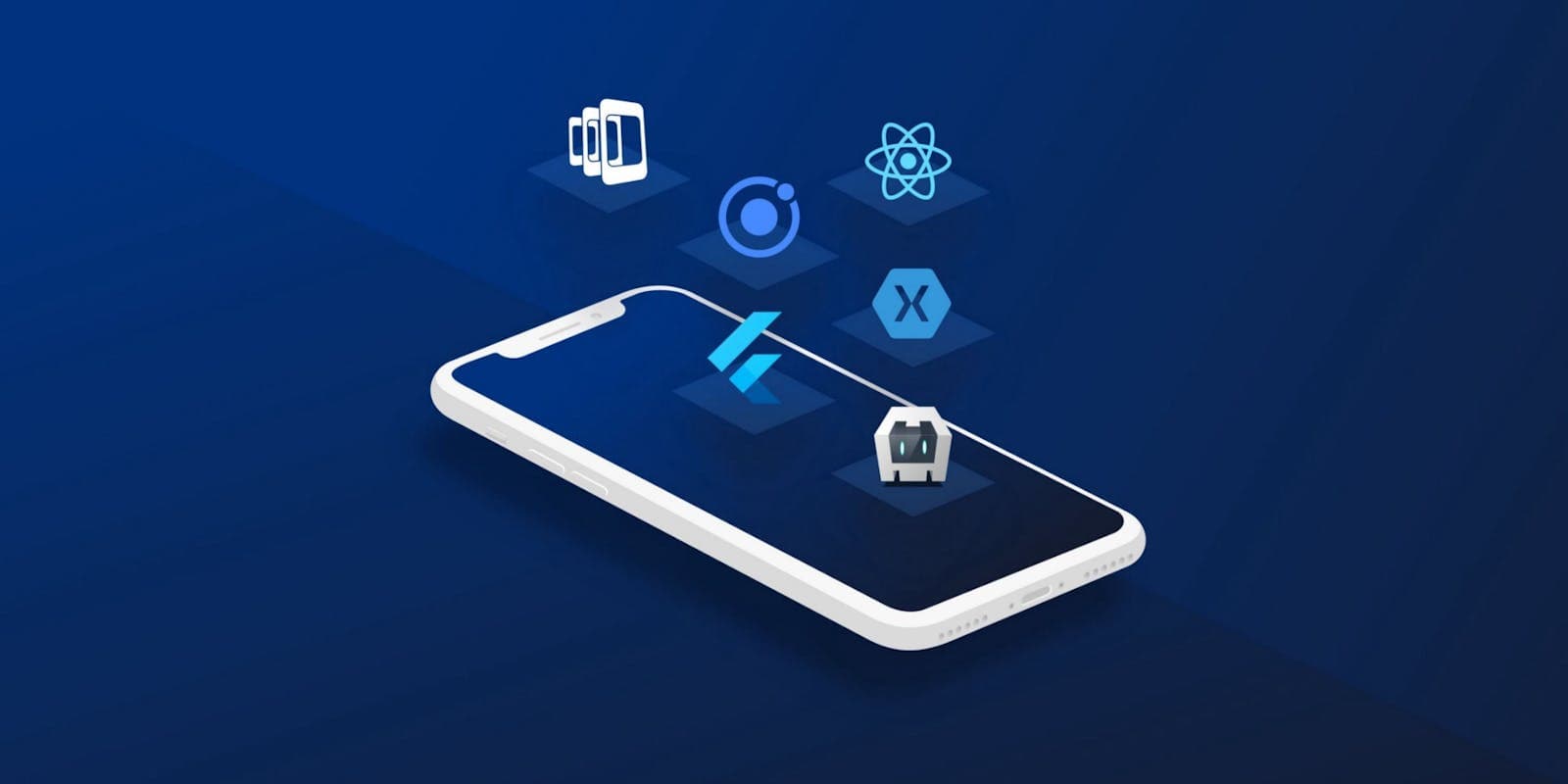
Technologies, Programming Languages & Frameworks Used in Mobile App Development

Zarnish Khan
Feb 7, 2023 · 15 min read

Mobile applications have become an integral part of our lives, providing convenience, entertainment, and enhanced functionality. Behind every successful mobile app is a team of developers leveraging the latest technologies to create seamless and engaging user experiences.
In this blog post, we will delve into the exciting world of mobile app development and explore some of the new technologies, programming languages, and frameworks revolutionizing the industry.
But first, let’s see…

Why Mobile Apps Are A Necessity for Businesses Today?
Mobile apps have become a necessity for businesses today due to their immense benefits and the changing consumer landscape. With the increasing usage of smartphones and the convenience they offer, businesses can reach a wider audience and engage with customers directly through mobile apps.
Mobile apps enhance customer experience, enable personalized interactions, and provide seamless access to products and services.
They foster brand loyalty, improve customer retention, and open new avenues for revenue generation. Additionally, mobile apps offer valuable data insights, allowing businesses to analyze user behavior, refine marketing strategies, and make data-driven decisions.
In today's competitive market, having a mobile app is crucial for businesses to stay relevant, expand their reach, and thrive in the digital era.
Advanced Technologies That Serve as The Backbone of App Development
Advanced technologies have become the backbone of app development, driving innovation and transforming user experiences. The advanced technologies empower developers to build cutting-edge apps that meet the evolving demands of users, making app development a dynamic and exciting field.
Artificial Intelligence (AI) and Machine Learning (ML)
AI and ML have rapidly transformed mobile app development. These technologies enable apps to analyze user behavior, personalize experiences, and automate tasks. AI-powered chatbots and virtual assistants have become increasingly popular, providing users with intelligent and interactive interfaces.
ML algorithms enhance recommendation systems, image recognition, and natural language processing capabilities, making apps smarter and more intuitive.
Internet of Things (IoT)
The Internet of Things has expanded the possibilities for mobile app developers. With IoT integration, mobile apps can control and interact with connected devices, creating a seamless ecosystem.
Smart home apps, fitness trackers, and healthcare applications are just a few examples of how IoT is enhancing the user experience and streamlining daily tasks.
Augmented Reality (AR) and Virtual Reality (VR)
AR and VR technologies have revolutionized mobile app experiences by providing immersive and interactive environments.
AR overlays digital elements in the real world, enhancing gaming, retail, and educational apps. VR, on the other hand, transports users to simulated environments, offering virtual tours, training simulations, and gaming experiences like never before.
Blockchain
Blockchain technology has gained significant attention beyond cryptocurrency. Its decentralized and transparent nature provides enhanced security and trust in mobile app transactions.
Blockchain-based mobile apps are revolutionizing industries like finance, supply chain management, and healthcare by ensuring secure data storage, transparent transactions, and eliminating intermediaries.
Progressive Web Apps (PWAs)
PWAs combine the best of web and mobile app technologies, providing users with fast, responsive, and app-like experiences directly from their web browsers.
These lightweight apps eliminate the need for installation while still offering features like push notifications, offline access, and smooth performance across devices.
Cloud Technologies
Cloud computing has transformed mobile app development, offering scalable infrastructure and storage solutions.
Cloud-based mobile apps can provide seamless synchronization of data across multiple devices, reducing device dependency and enabling real-time collaboration.
Major Programming Languages Used To Develop Mobile Apps
Programming languages in mobile app development are the foundation for creating mobile applications. They provide the syntax, structure, and rules that developers use to write code. Programming languages specifically designed for mobile app development allow developers to build native apps that run smoothly on their respective platforms.
While the choice of programming language depends on factors like platform, complexity, and performance requirements, certain languages have emerged as major players in the field. Here are some of the most widely used programming languages for mobile app development:
Swift
Developed by Apple, Swift is the primary language for iOS app development. It offers modern syntax, performance optimization, and a rich set of libraries, making it a preferred choice for building robust and high-performance iOS apps.
Java
Java has long been a stalwart in Android app development. Its versatility, vast community support, and extensive libraries make it an excellent choice for creating feature-rich Android apps. Additionally, with Kotlin becoming an officially supported language for Android, it has gained popularity as an alternative to Java.
Kotlin
Kotlin, an open-source language developed by JetBrains, has gained traction as a modern and expressive language for Android app development. It is fully interoperable with Java and offers enhanced readability, conciseness, and safety features.
JavaScript
With frameworks like React Native and Ionic, JavaScript has become a popular choice for cross-platform mobile app development. These frameworks allow developers to build apps for both iOS and Android platforms using a single codebase, resulting in cost and time efficiency.
C#
Developed by Microsoft, C# is widely used for building mobile apps on the Xamarin framework. Xamarin allows developers to write code once and deploy it across multiple platforms, including iOS, Android, and Windows, making it a preferred choice for cross-platform development.
Top Mobile App Development Frameworks
A mobile app framework is a collection of pre-built tools, libraries, and reusable components that streamline the development process of mobile applications. It provides a foundation for developers to build apps more efficiently by offering common functionalities, user interface elements, and cross-platform compatibility.
Mobile app frameworks simplify the coding process, reduce development time and effort, and allow developers to focus on app-specific features. These frameworks enable the creation of native or cross-platform apps, depending on the requirements, and offer various benefits such as code reusability, faster development, and improved maintenance.
Frameworks offer pre-built components, libraries, and tools that streamline the development process. Here are some of the top mobile app development frameworks:
React Native
Developed by Facebook, React Native is a popular cross-platform framework. It uses JavaScript and allows developers to build native-like apps for both iOS and Android platforms. It offers reusable components and enables code sharing, resulting in faster development and reduced costs.
Flutter
Created by Google, Flutter is gaining rapid popularity for its fast development capabilities. It uses the Dart programming language and provides a rich set of customizable UI components. Flutter enables the creation of visually appealing, high-performance apps for iOS, Android, and even web platforms.
Xamarin
Owned by Microsoft, Xamarin allows developers to build cross-platform apps using C#. It offers a shared codebase and native-like performance, allowing developers to create apps for iOS, Android, and Windows platforms. Xamarin leverages the power of the .NET framework and provides seamless integration with existing APIs and libraries.
Ionic
Built on web technologies like HTML, CSS, and JavaScript, Ionic is a versatile framework for hybrid mobile app development. It focuses on creating beautiful and performant apps that work across multiple platforms. With Ionic, developers can leverage a vast collection of UI components and plugins for enhanced functionality.
NativeScript
NativeScript allows developers to build native apps using JavaScript or TypeScript. It provides direct access to native APIs, resulting in highly performant and visually appealing applications. With NativeScript, developers can target both iOS and Android platforms, sharing a significant portion of code while maintaining a native user experience.
The Bottom Line
The ever-evolving landscape of mobile app development continues to be fueled by innovative technologies.
Embracing these cutting-edge technologies enables developers to create mobile apps that are smarter, more immersive, secure, and user-centric.
Similarly, the programming languages have robust ecosystems, extensive documentation, and vibrant communities that contribute to their popularity in mobile app development.
Wait, there’s more! The frameworks also offer various advantages, including code reusability, platform independence, and reduced development time. Choosing the right framework depends on factors like project requirements, team expertise, and desired app performance.
Developers should consider project requirements, target platforms, and personal familiarity when selecting the most suitable programming language for their mobile app projects.
As the industry continues to evolve, it is an exciting time for developers as well as users, as we witness the transformative power of technology, language, and framework in shaping our mobile experiences.