4 Salient Points from Google's Updated Link Guidance
ebridge
Feb 22, 2023 · 2 min read
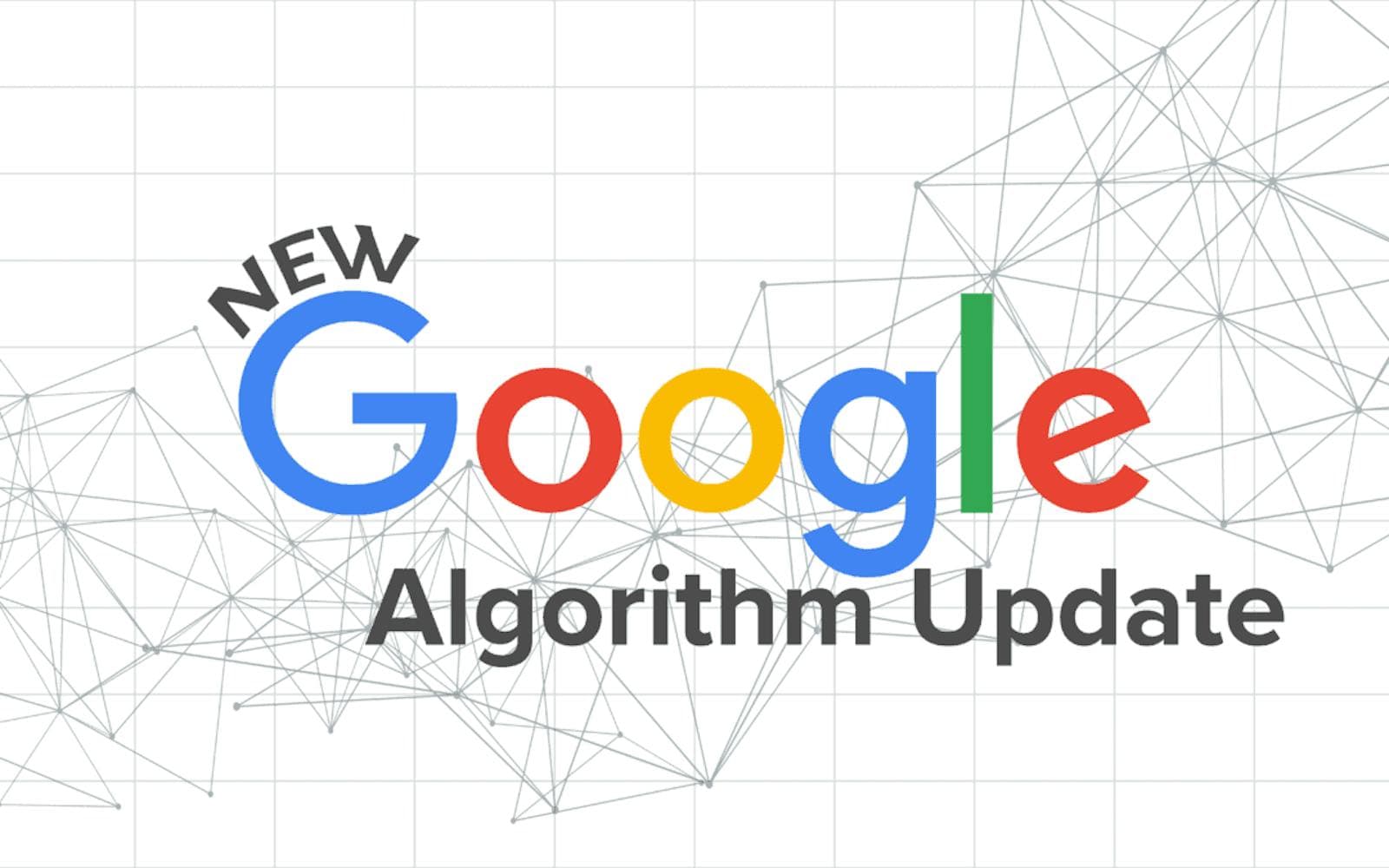
Surprising parallels exist between Google's updated recommendations for link best practices and what we already know about algorithms and HTML syntax.
Here are the Key Points from Google's Most Recent SEO Link Best Practices.
- Quality Matters: When it comes to links, Google emphasizes the value of quality. This means that links must come from reliable sources and relate to the website's content. Google also advises staying away from link schemes, which aim to deceive search engine algorithms.
- Google’s Updated Anchor Text Suggestion: The visible text that links to another website is known as "anchor text." Using descriptive anchor text that adequately describes the page being linked to is advised by Google. This aids in the context of the link's understanding by search engines and can increase the website's visibility in search engine results.
- The updated advice advises: "Write as naturally as you can, and resist the impulse to pack your content with every keyword associated with the page you're referring to (remember, keyword stuffing is a violation of our spam policies).” Do these terms help the reader grasp the next page, in your opinion? It's probably too much if it appears that you're cramming keywords into the anchor text.
Fun Fact
The Element Does not require the title attribute.
The fact that the title attribute is a global attribute means that all elements share it. This means that a title element can be added to a paragraph (p), an italic I, or even a heading (H1) element. A tooltip will appear when an element's title attribute is used.
- Link Building: Obtaining links from other websites is the process of link building. Google advises employing a range of techniques to build links, including outreach on social media, guest blogging, and content marketing. Also, it advises staying away from link exchanges and link buying, both of which might be viewed as attempts to manipulate search engine rankings. "Verify that the title attribute and the link text jointly reflect the purpose of the link for each anchor element that has a title attribute."
- Nofollow Links: Links that do not send any link juice or authority to the connected page are known as nofollow links. When a website links to pages that are unreliable or irrelevant to the content of the website, Google advises against employing nofollow links.
According to Google's Updated Advice:
"Don't chain together links next to each other; it makes it harder for users to discern between links, and you lose surrounding text for each link."
This recommendation refers to knowing how to use HTML elements and titles correctly in order to create valid HTML that Google can read.
The Bottom Line
Hence, Google's freshly updated best practices for link guidance contain a lot of insightful information.
It is definitely worth your time to read.